August Plumbing is an indigenous company with 9 years experience serving the Sunshine Coast.

Sechelt, BC
Weekdays: 8:00 am - 5:00pm
It’s our goal to bring you comfort and peace of mind.

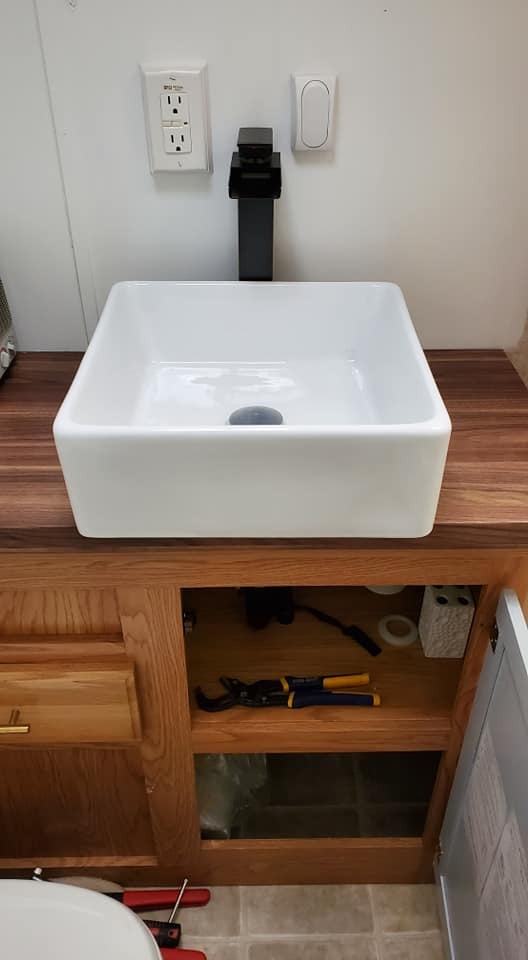
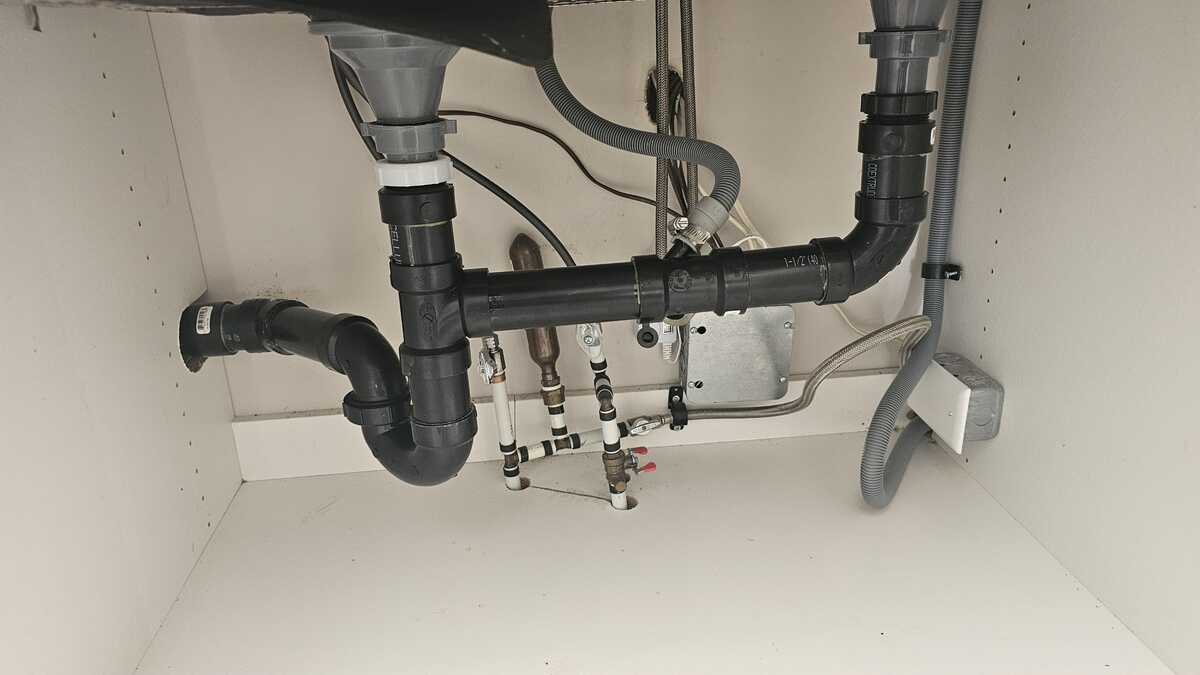
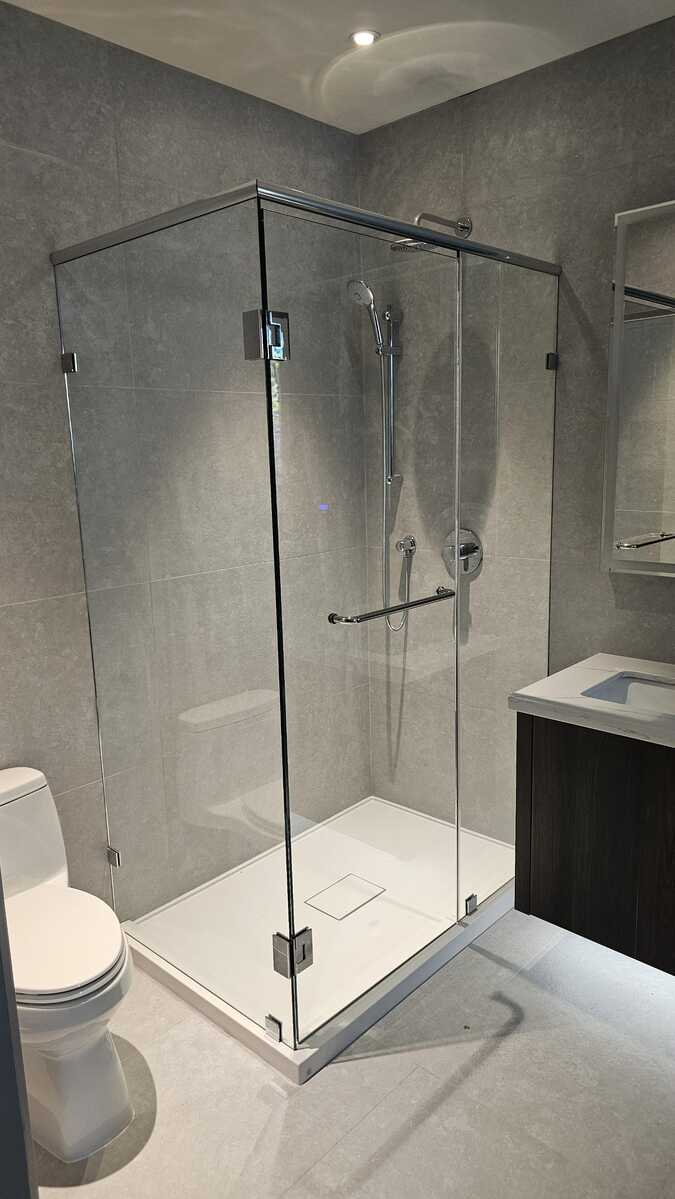
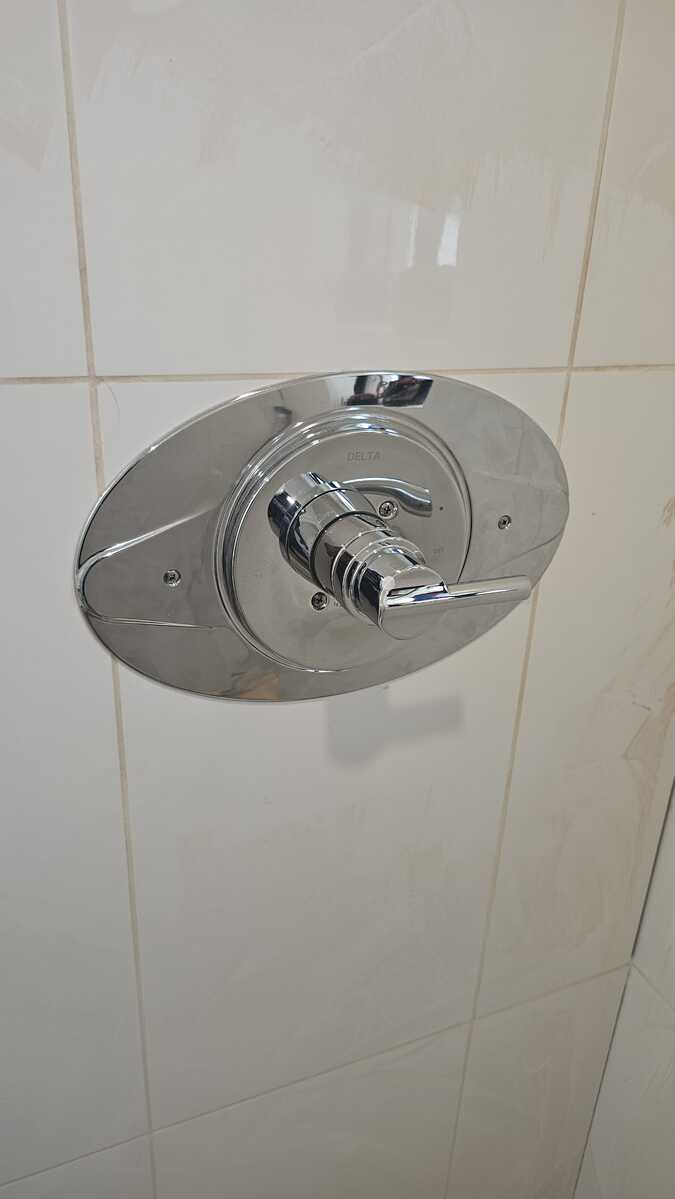
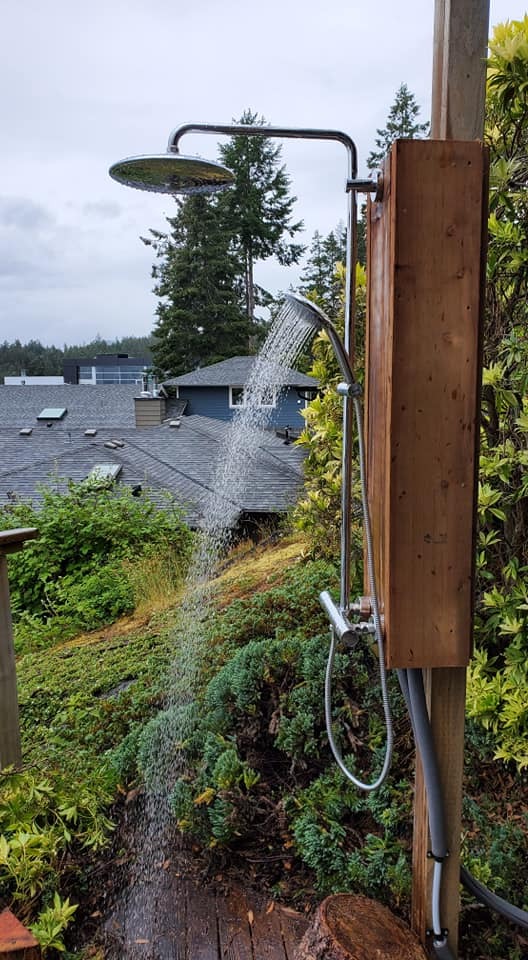
Installation: Installing fixtures such as sinks, toilets, showers, and water heaters, as well as new water supply and drainage lines.
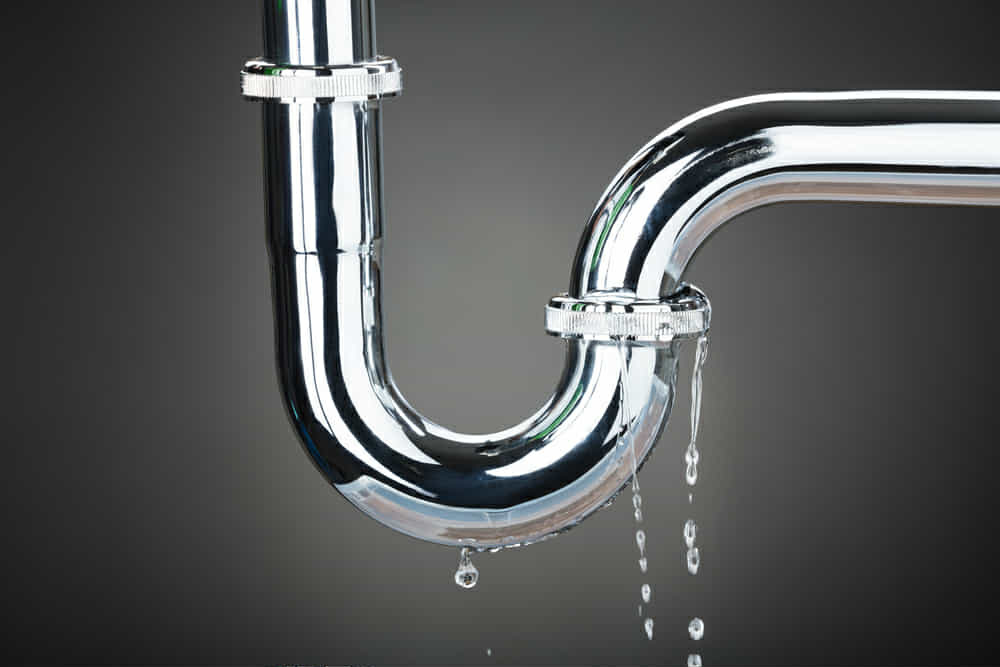
Repair: Fixing problems like leaky or burst pipes, clogged drains, and broken fixtures. This includes replacing worn-out parts and repairing pipes.
Maintenance: Performing regular inspections, drain cleaning, and pressure testing to prevent problems and keep systems running efficiently.
Diagnostics: Troubleshooting and diagnosing a variety of plumbing issues to identify the root cause of the problem.
Code adherence: Ensuring all work is done in compliance with relevant safety and building codes.
Customer service: Communicating with clients to explain problems, provide estimates, and offer advice on solutions.
Drain snakes/augers: Using a manual or power-driven auger (snake) to physically break up or pull out a clog.
Hydro-jetting: Using a high-pressure water stream to clear blockages like grease and debris from pipes, leaving the interior clean.
Camera inspections: Sending a camera down the drain to visually identify the exact cause and location of a blockage or to check for pipe damage, such as cracks or invasive tree roots.
Preventative maintenance: Regular cleaning to prevent future clogs and avoid costly emergency repairs.
Root removal: Using powerful augers to cut through invasive tree roots that have entered the sewer line.
Common uses
Resolving slow drains and standing water in sinks, tubs, and showers.
Eliminating sewer backups and foul odors caused by blockages.
Maintaining the efficiency of drainage systems in both residential and commercial properties.
Diagnosing and addressing problems like tree root intrusion.
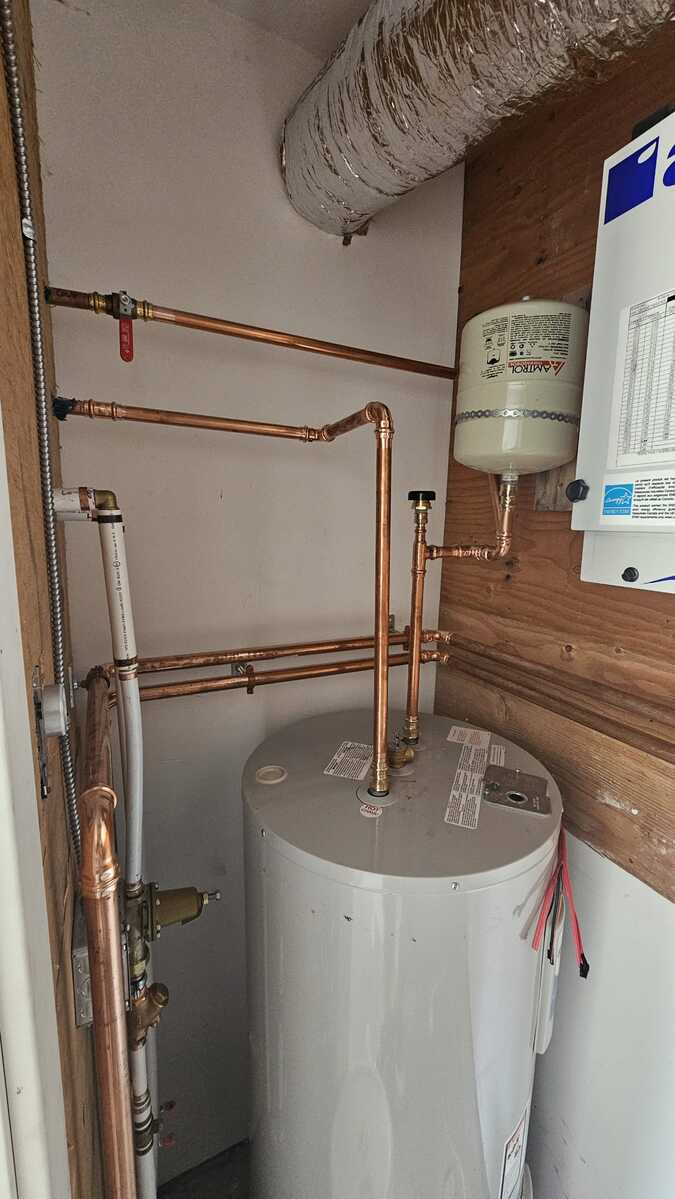
Inspection: A technician will visually check the tank for rust, corrosion, and leaks on the exterior and at pipe connections.
Flushing: The tank is drained to remove accumulated sediment and mineral buildup, which can impede heating efficiency.
Safety valve check: The technician tests the temperature and pressure relief (T&P) valve to ensure it functions correctly as a critical safety feature.
Component testing:
Anode rod: The anode rod is inspected to see if it needs replacement to prevent corrosion inside the tank.
Thermostat: The thermostat is tested to ensure it's set to the correct temperature and is working properly.
Gas/Electrical connections: For gas units, the pilot light, burner, and gas lines are checked. Electrical components are also inspected for proper function.
Efficiency improvement: Tasks like cleaning air filters (on gas units) and flushing the tank improve the heater's efficiency.
New build plumbing
Underground Rough-in: The initial stage where plumbing is laid beneath the foundation, which includes water supply lines and drainage systems. This occurs before the framing is completed.
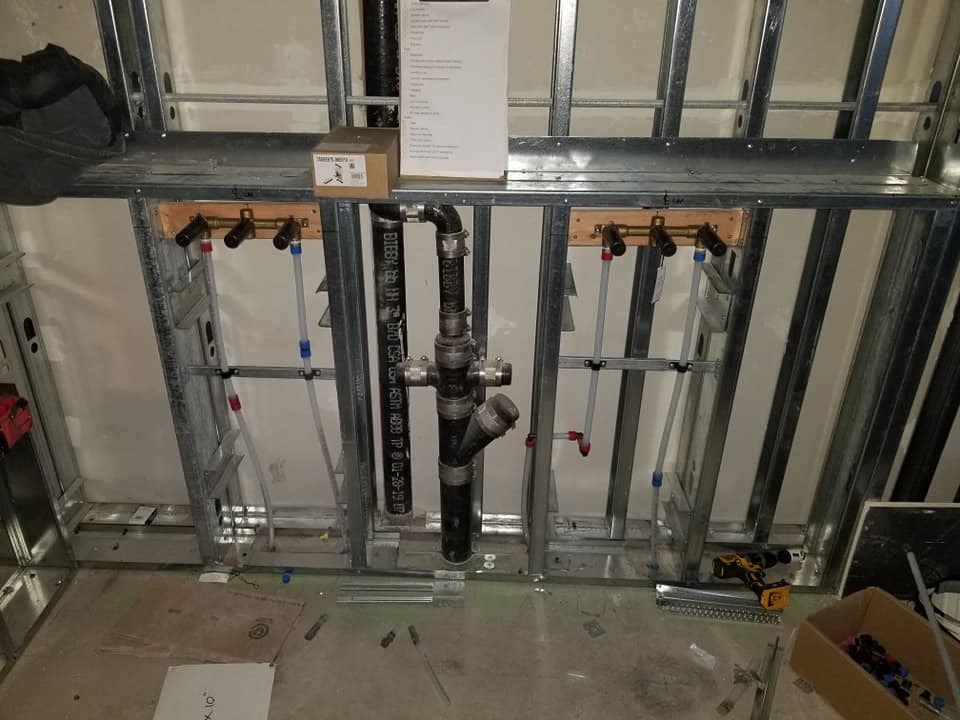
Above-Ground Rough-in: Also called "top out," this involves running water supply lines, waste pipes, and vent pipes through the walls and floors. Tubs are often set at this stage.
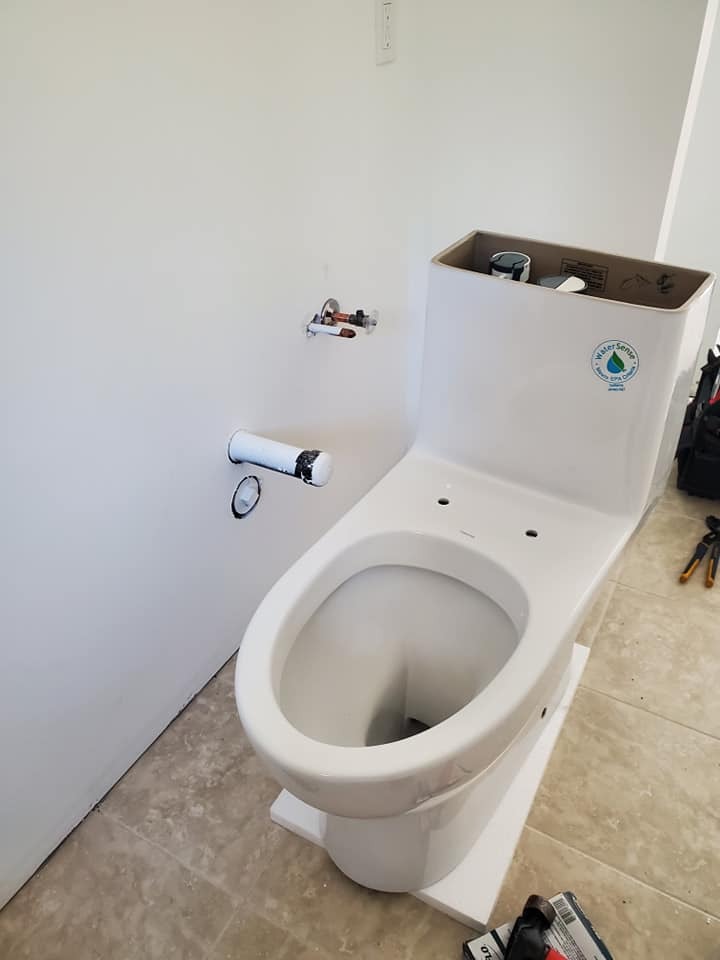
Finishing: The final stage, completed after drywall and painting, where toilets, sinks, faucets, water heaters, and other appliances are installed and connected.
Gas Lines: New construction plumbing can also include running gas lines for appliances and outdoor features.
Inspections: The process requires multiple inspections at different stages to ensure the work meets building codes.
Renovation plumbing
Modification: Renovation plumbing involves altering an existing system, which could mean moving a wall to relocate a sink or re-routing pipes to accommodate a new bathroom layout.
Fixture Update: This can include replacing old fixtures with new ones, such as upgrading a bathtub to a shower or installing new sinks, faucets, and toilets.
Scope: The complexity can vary greatly, from simple fixture replacement to a major overhaul of the plumbing within a specific area of the building.
Planning: Careful planning is crucial to ensure the existing system can support the new fixtures and that the layout is updated to code. This often involves an inspection of the current plumbing.
With a forward-thinking approach, we specialize in delivering high quality plumbing that meet the evolving needs of our clients.